Judaism and the Challenge of Modernity
A summer program for intellectually ambitious high school students


Do you enjoy tackling big ideas?
Do you want to spend the summer abroad?
Are you looking for a program that respects Jewish observance?
Be an Abarbanel Scholar this Summer


June 28-July 15, 2027
WHEN
Leiden, The Netherlands
WHERE
Rising 10th through 12th graders
WHO
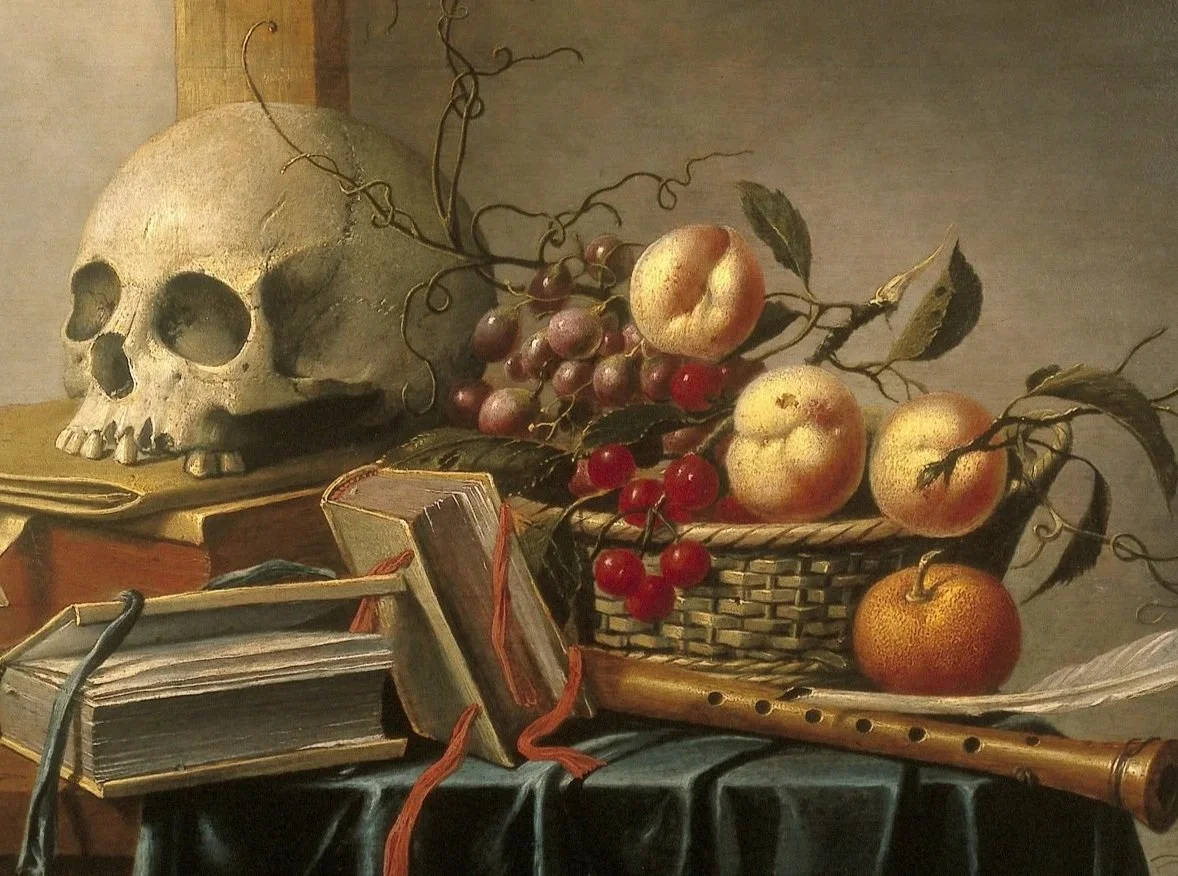
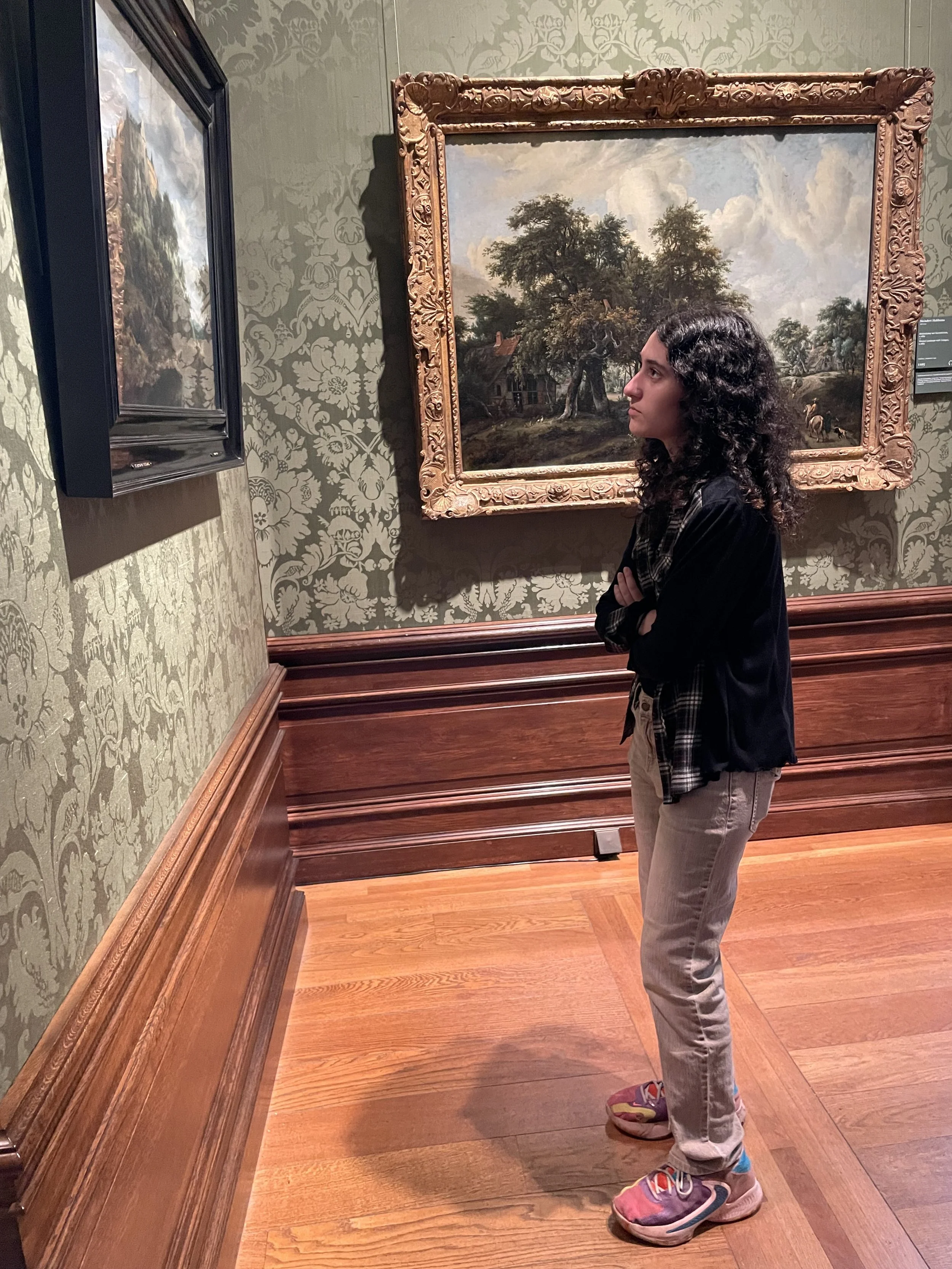
Spend three weeks this summer studying in Leiden, site of the Netherlands’ oldest university and Rembrandt’s hometown. This college-level course will explore the complex interplay of politics, religion, art, science, and economics that gave birth to the modern world. You’ll study key historical and philosophical texts in small seminars complemented by visits to museums and cultural venues throughout the region, from Amsterdam to Antwerp.
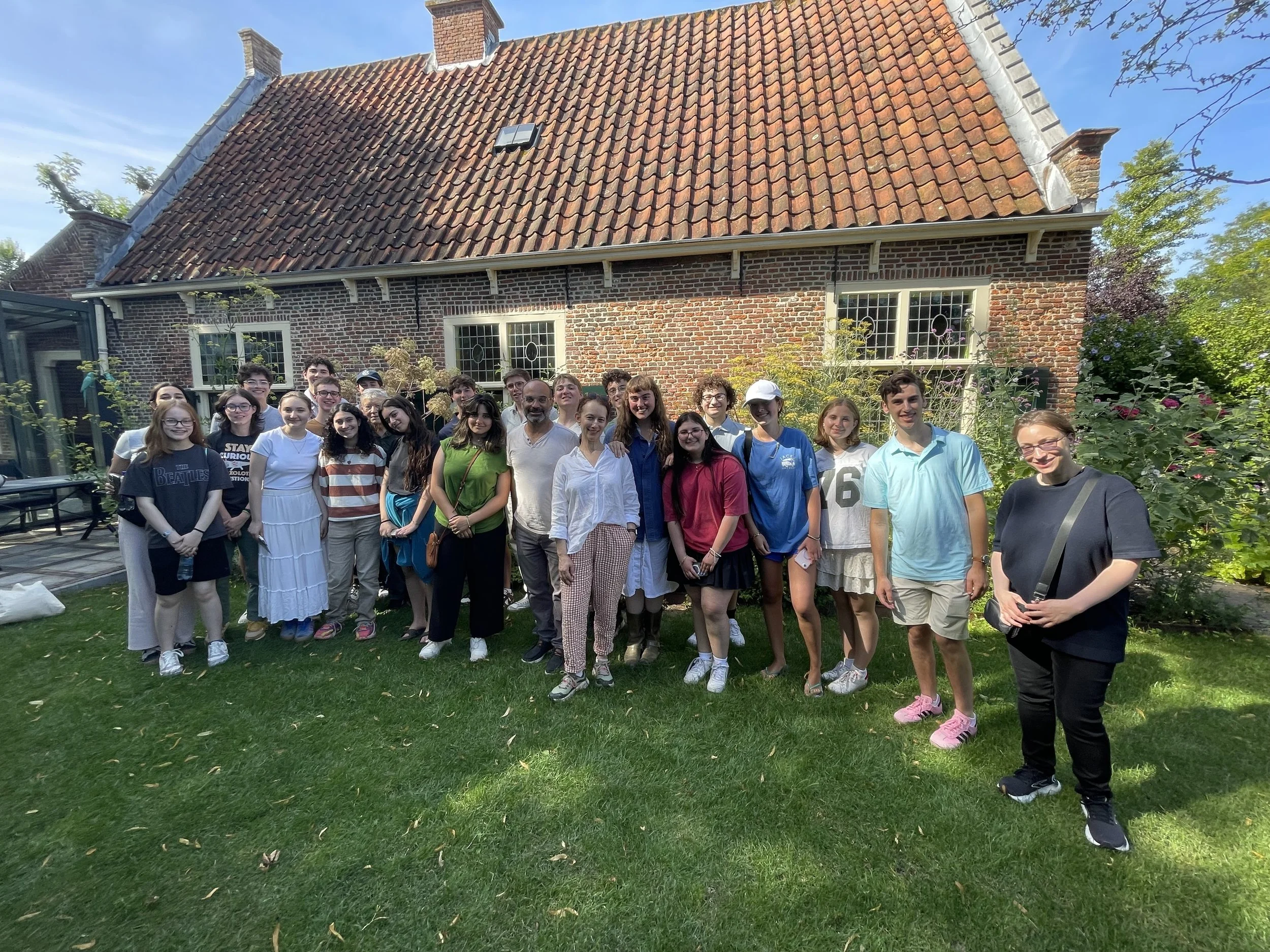
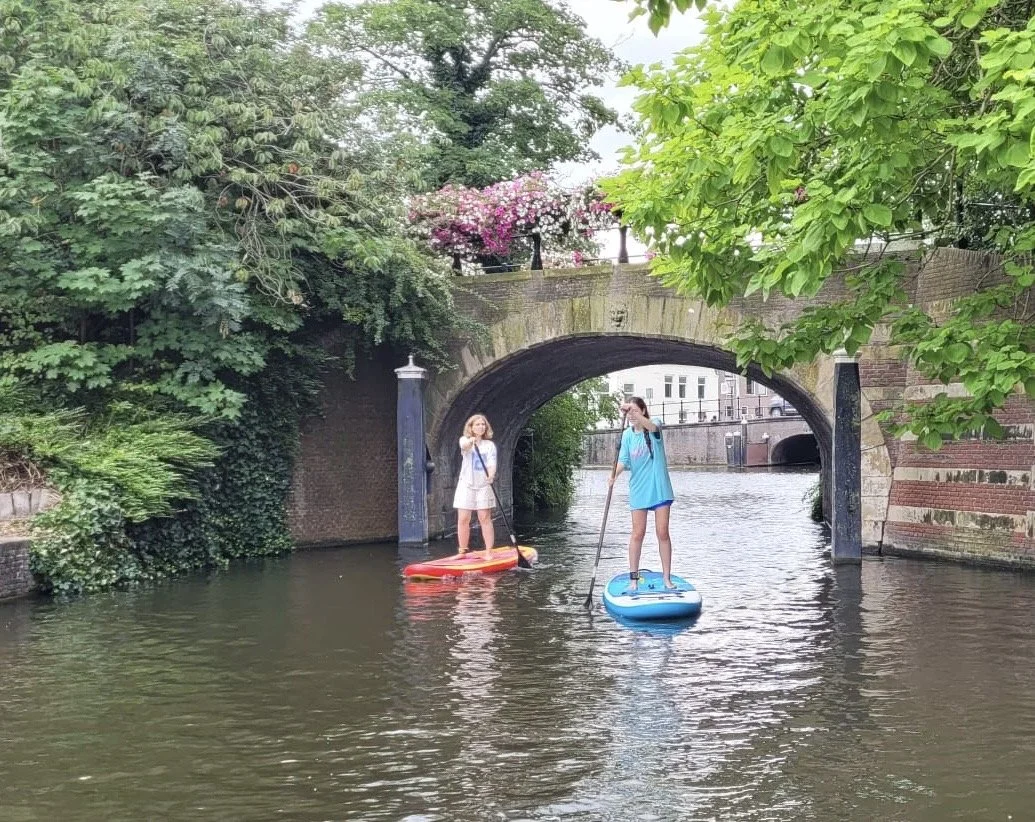
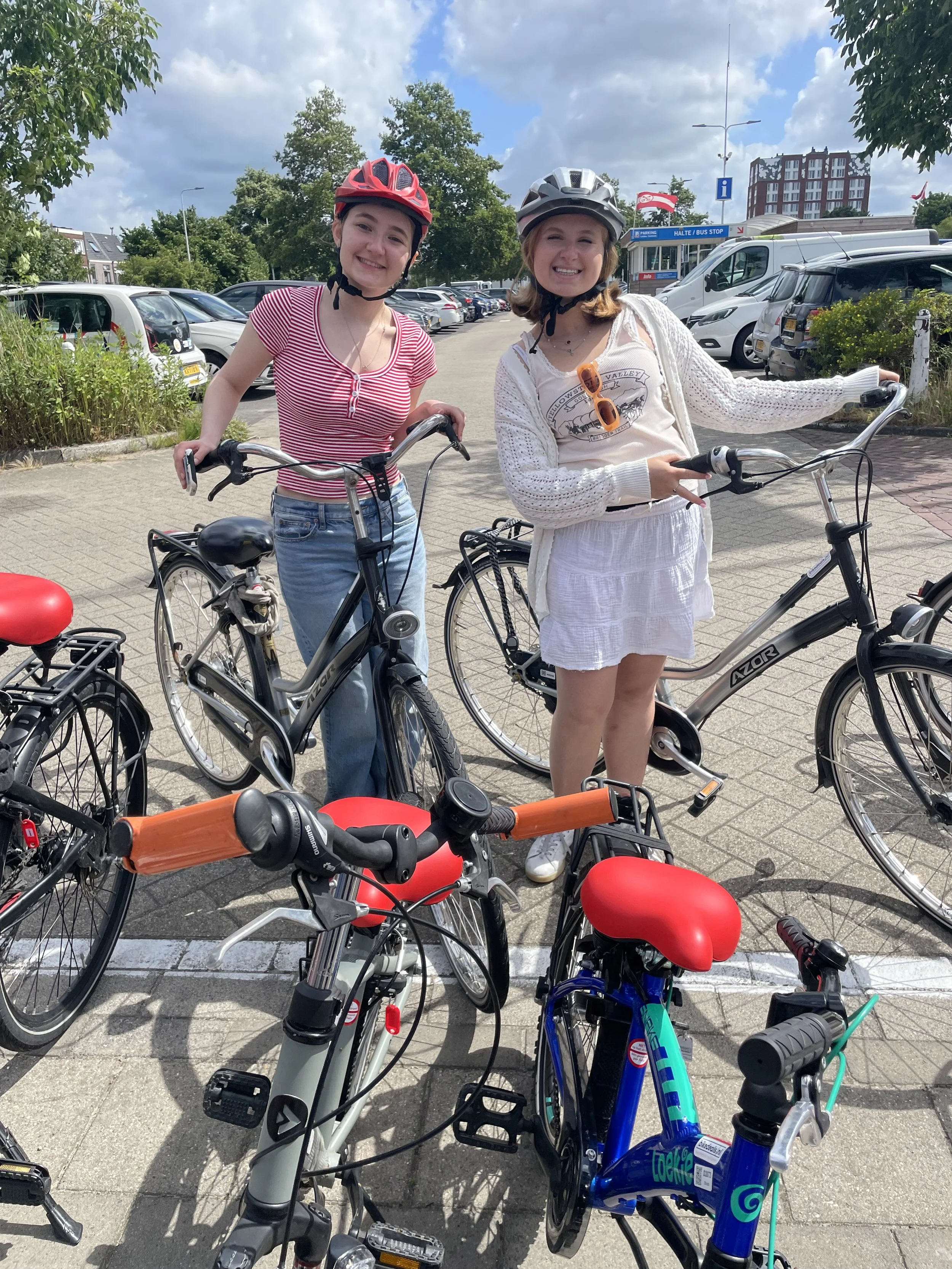
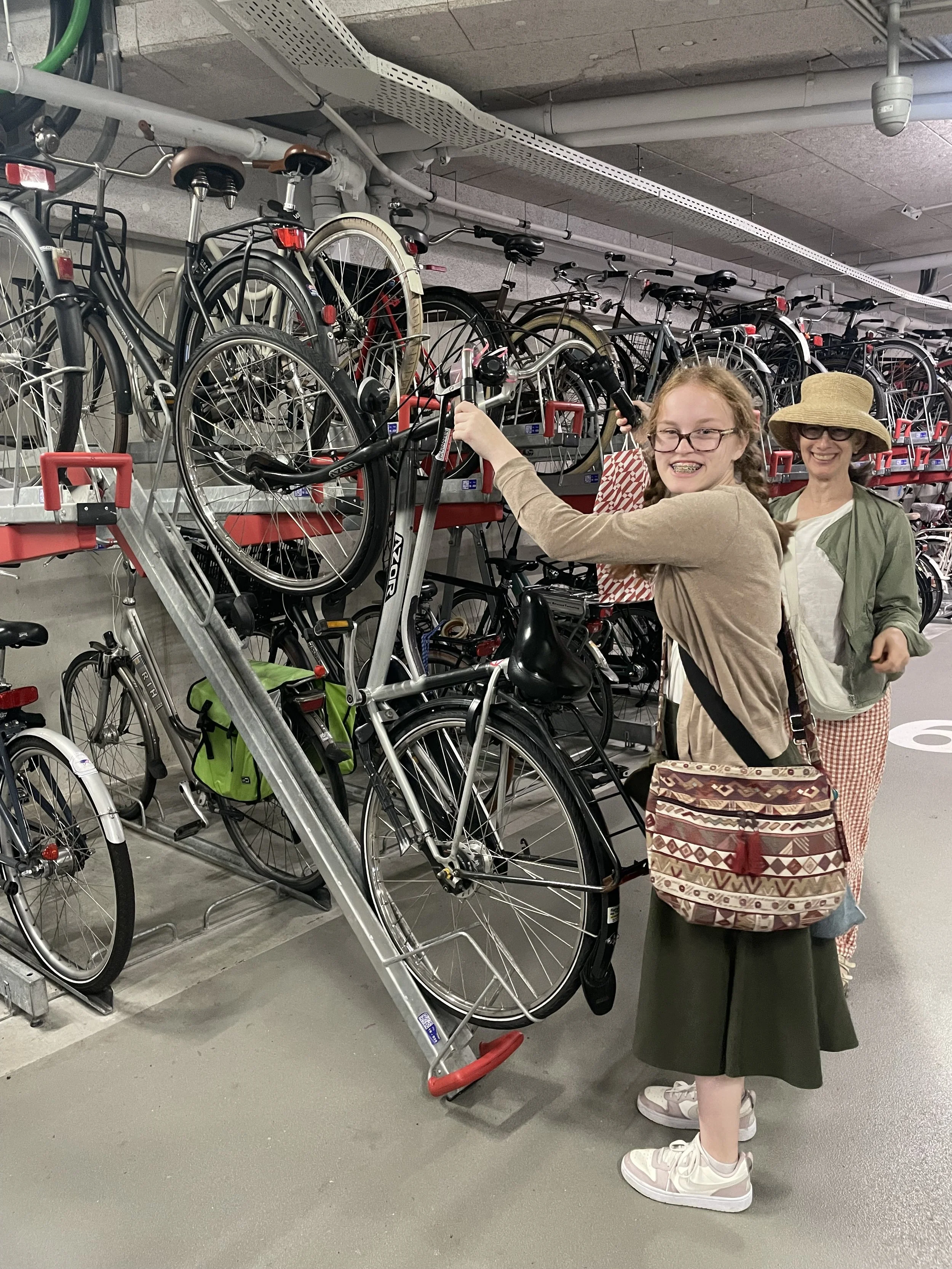
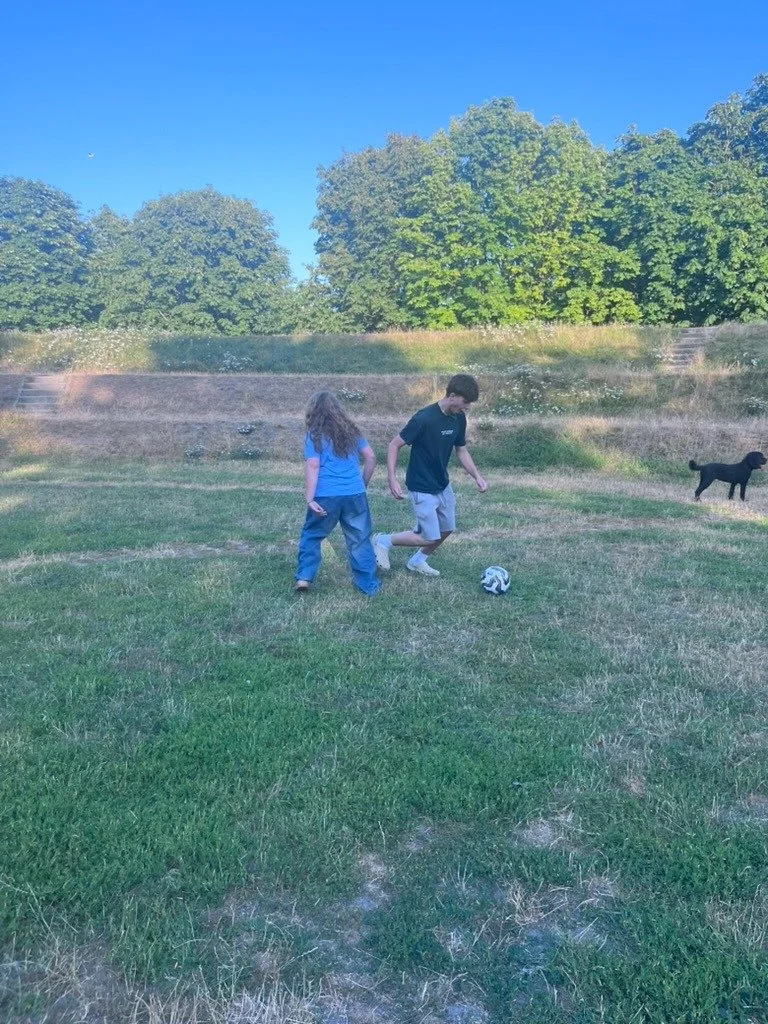
Students will meet with Dutch Jews their own age, building bonds of friendship and mutual understanding between different Jewish communities. They will also have opportunities to take bike rides through the countryside, go stand-up paddle boarding on the canals, and play pick-up soccer in the park.
The Abarbanel Summer Seminar is designed with observant Jewish teens in mind. Kosher food will be provided for all meals and Shabbat will be spent with the Jewish communities of Leiden and Amsterdam.
Our students don’t simply visit remarkable places; they engage with the scholars, curators, and artists who bring them to life.
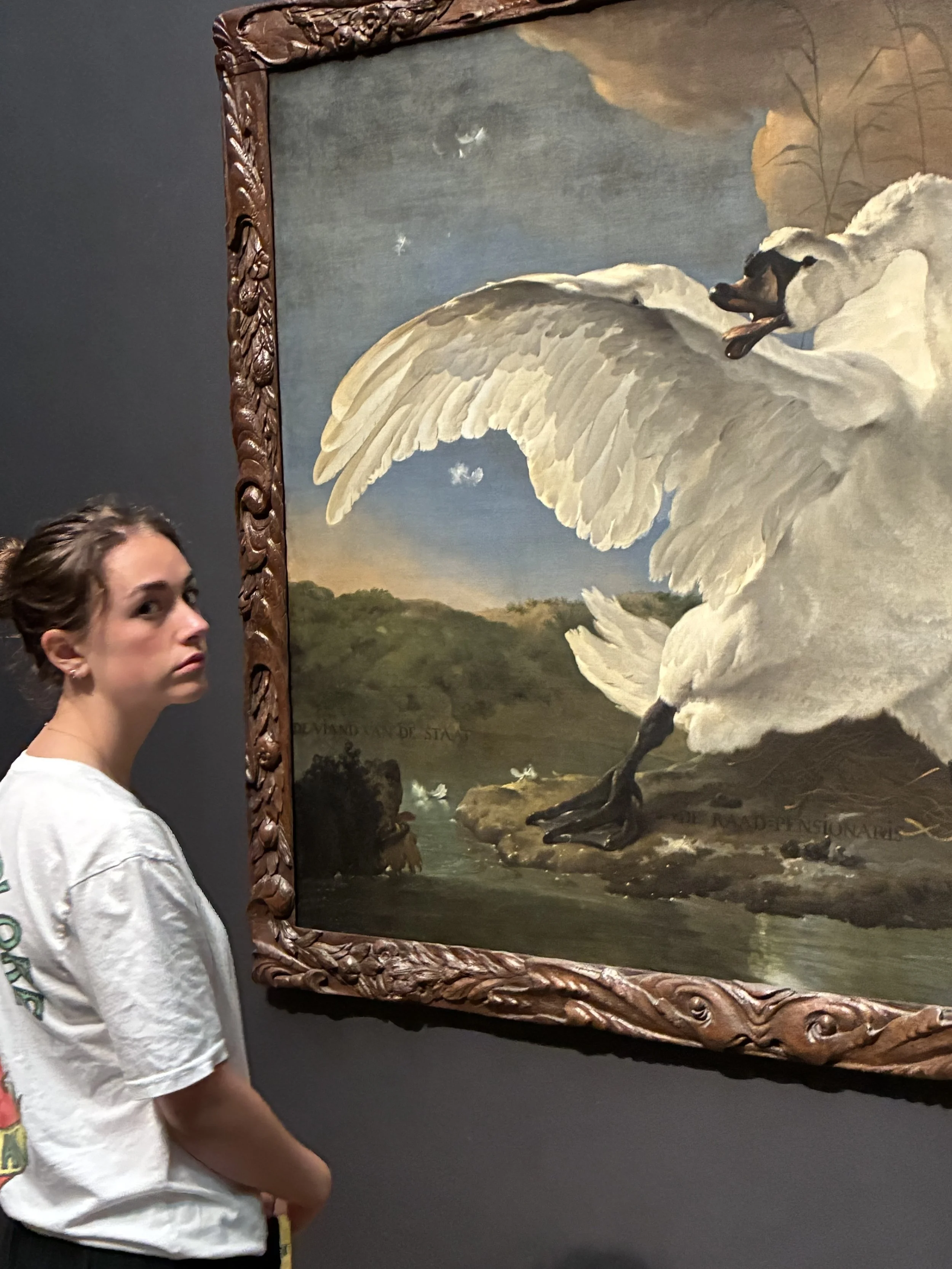
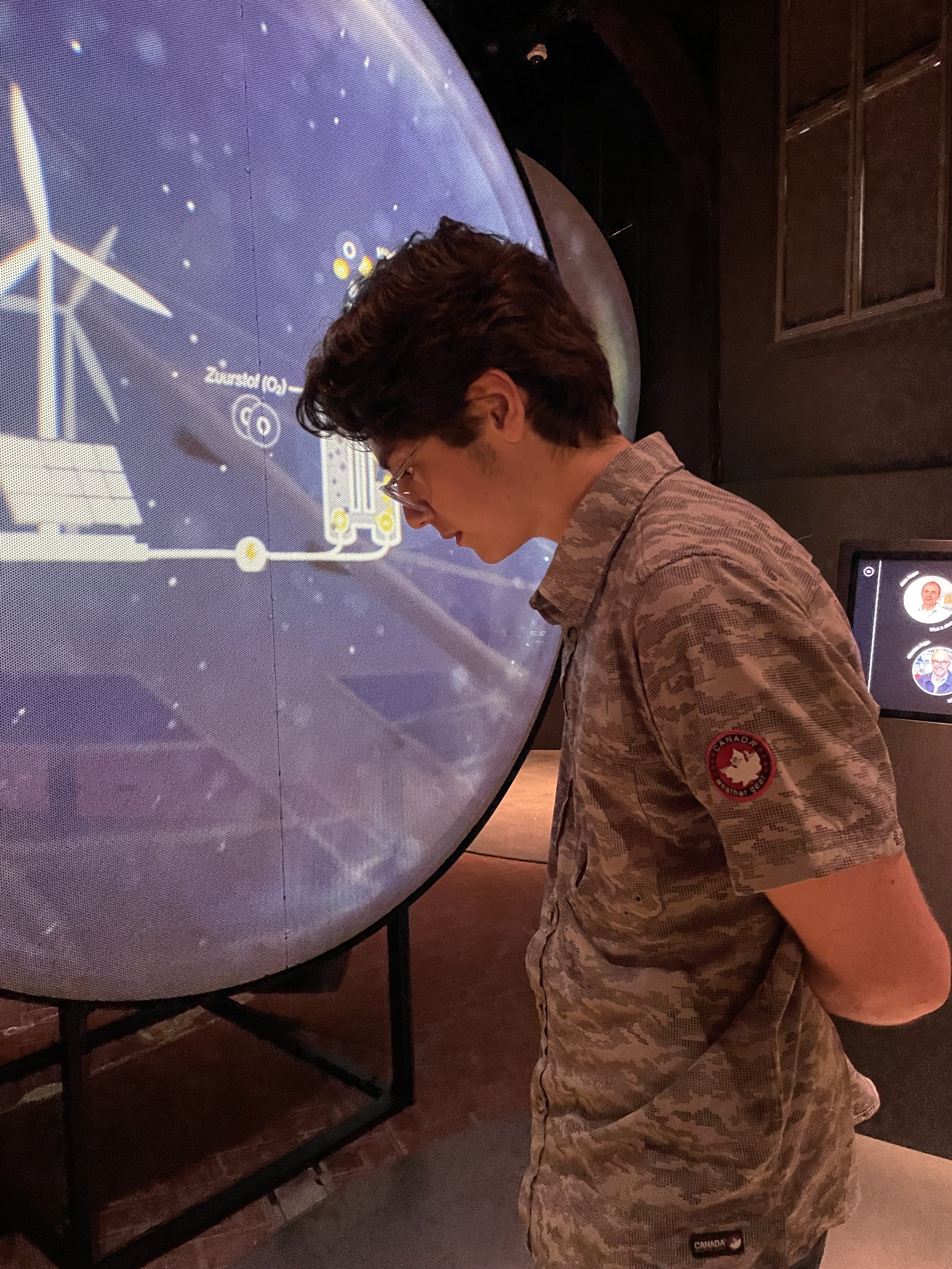
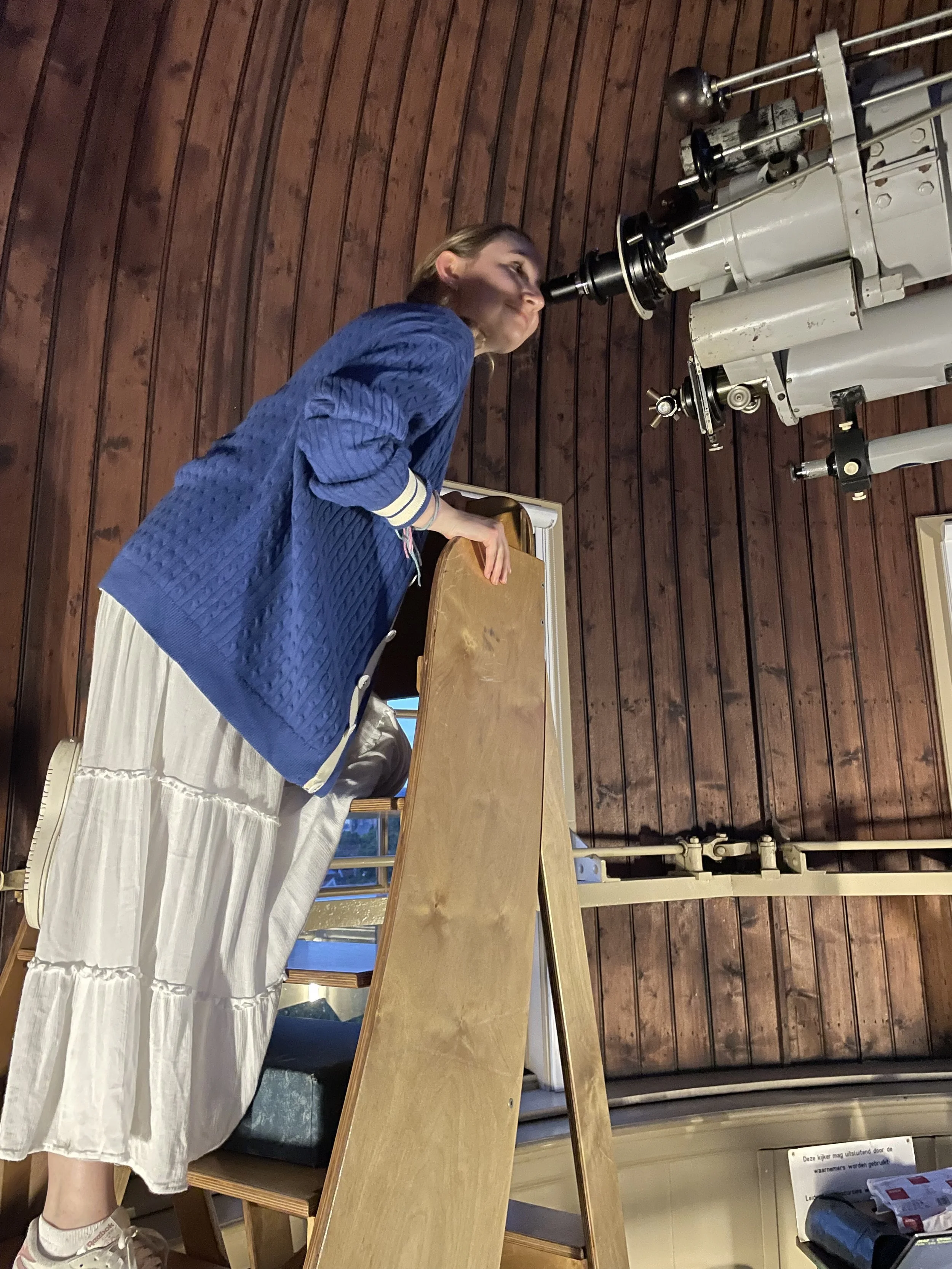
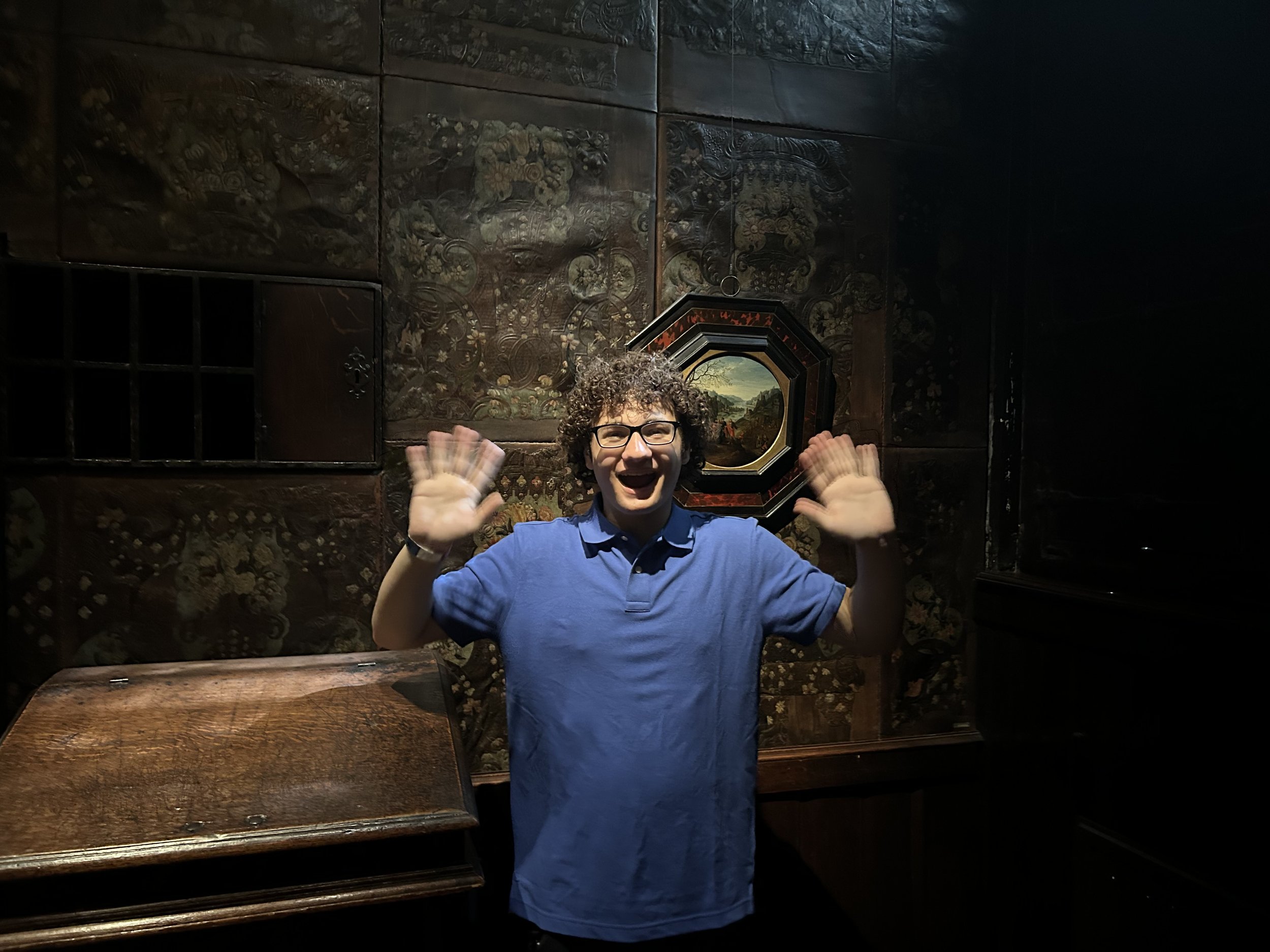
At Abarbanel, learning extends far beyond the seminar room. Students explore exhibitions with the curators who conceived them, examine original Rembrandt drawings in study rooms normally closed to the public, and discuss rare books and manuscripts with scholars who have devoted their lives to understanding them.

Trip Highlights
Bike to Spinoza’s house in Rijnsburg
Spend Shabbat with the Amsterdam Jewish community
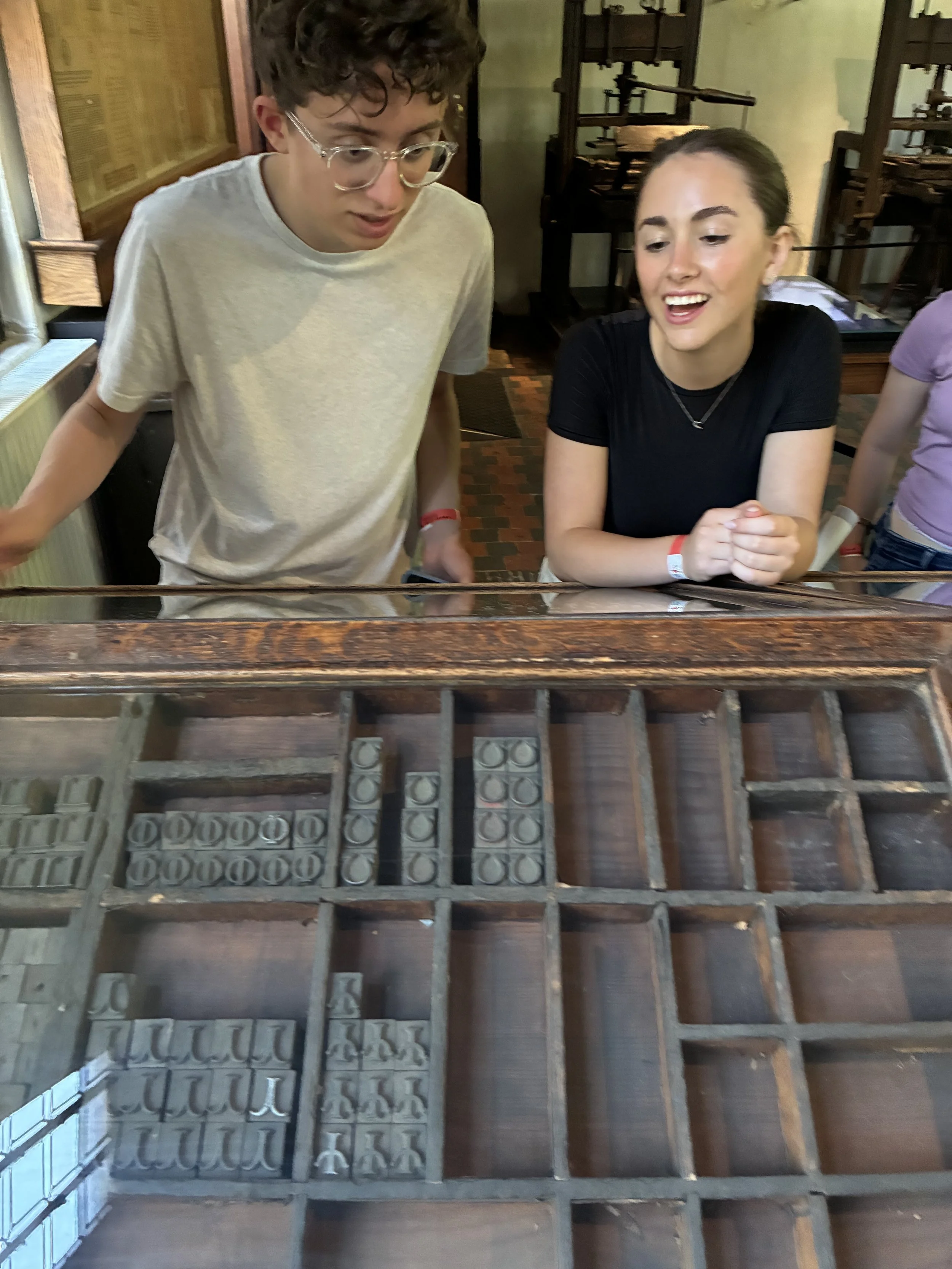
Visit a 16th century printshop
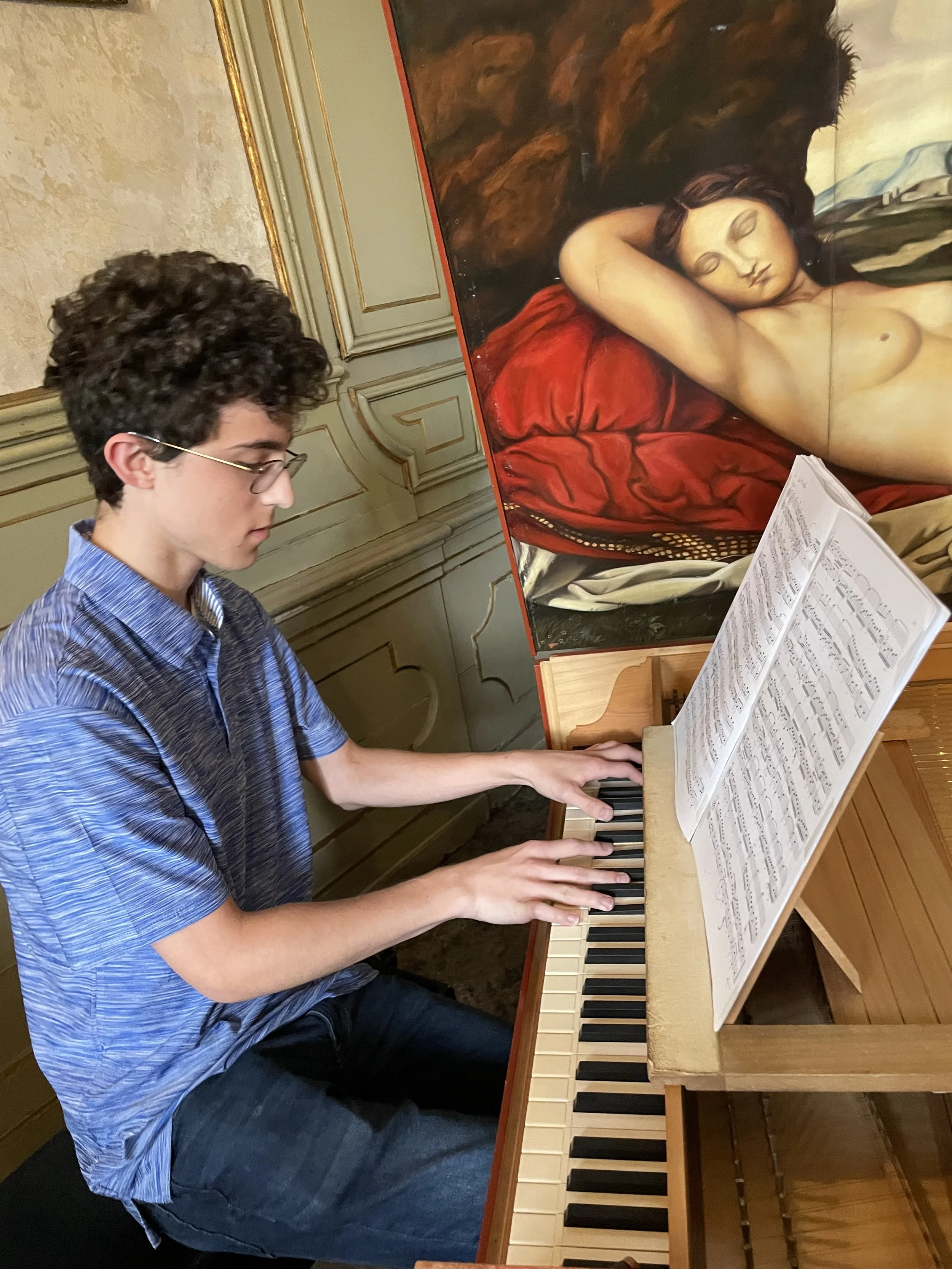
Attend a private Baroque concert
Draw a Dutch landscape
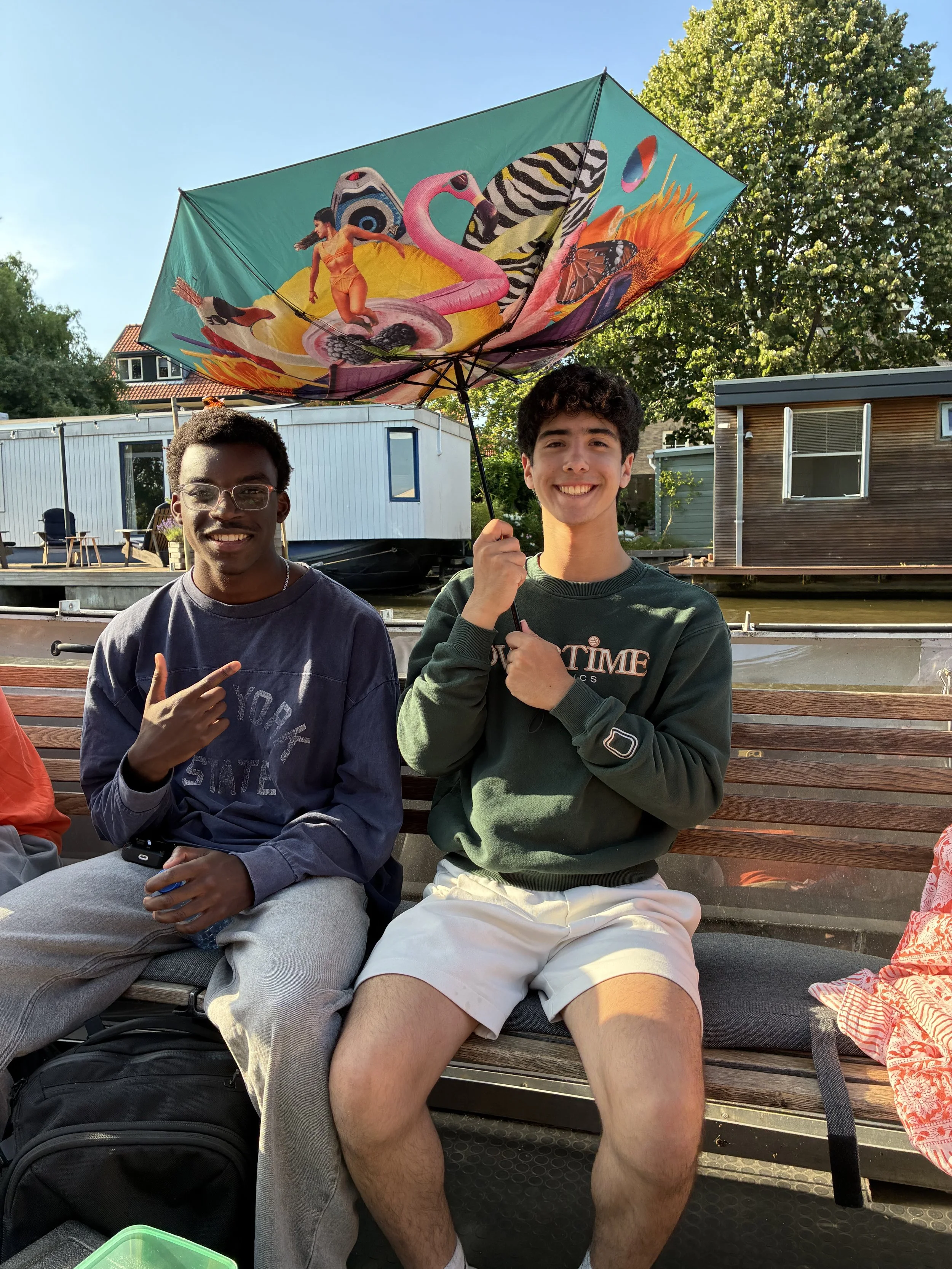
Go stand-up paddle boarding on the canals
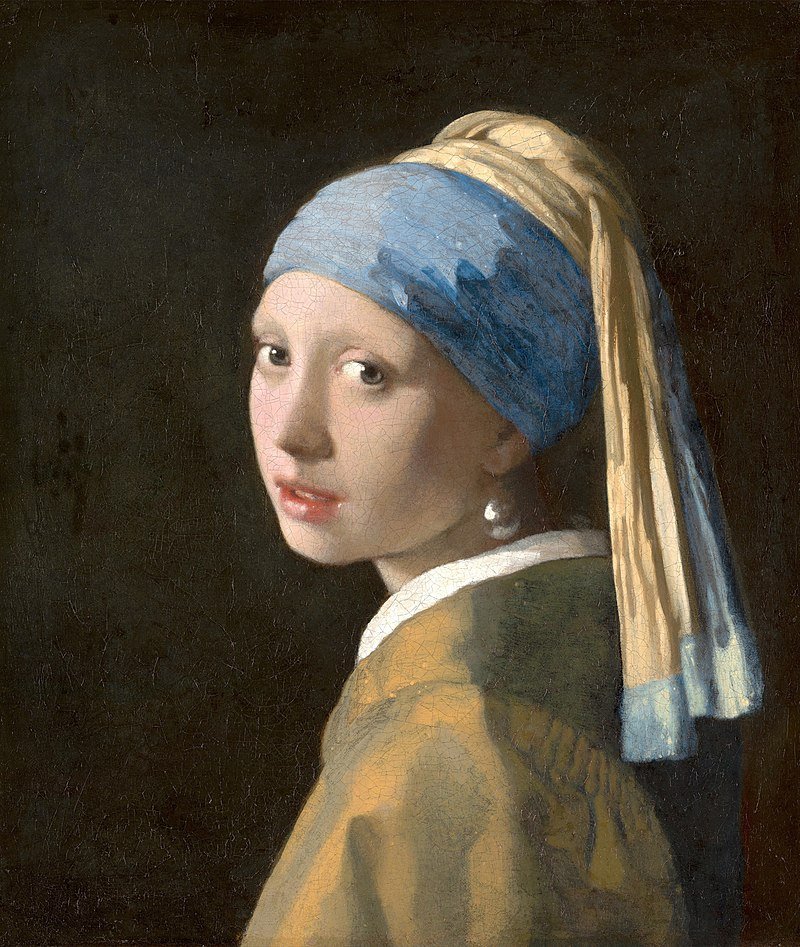
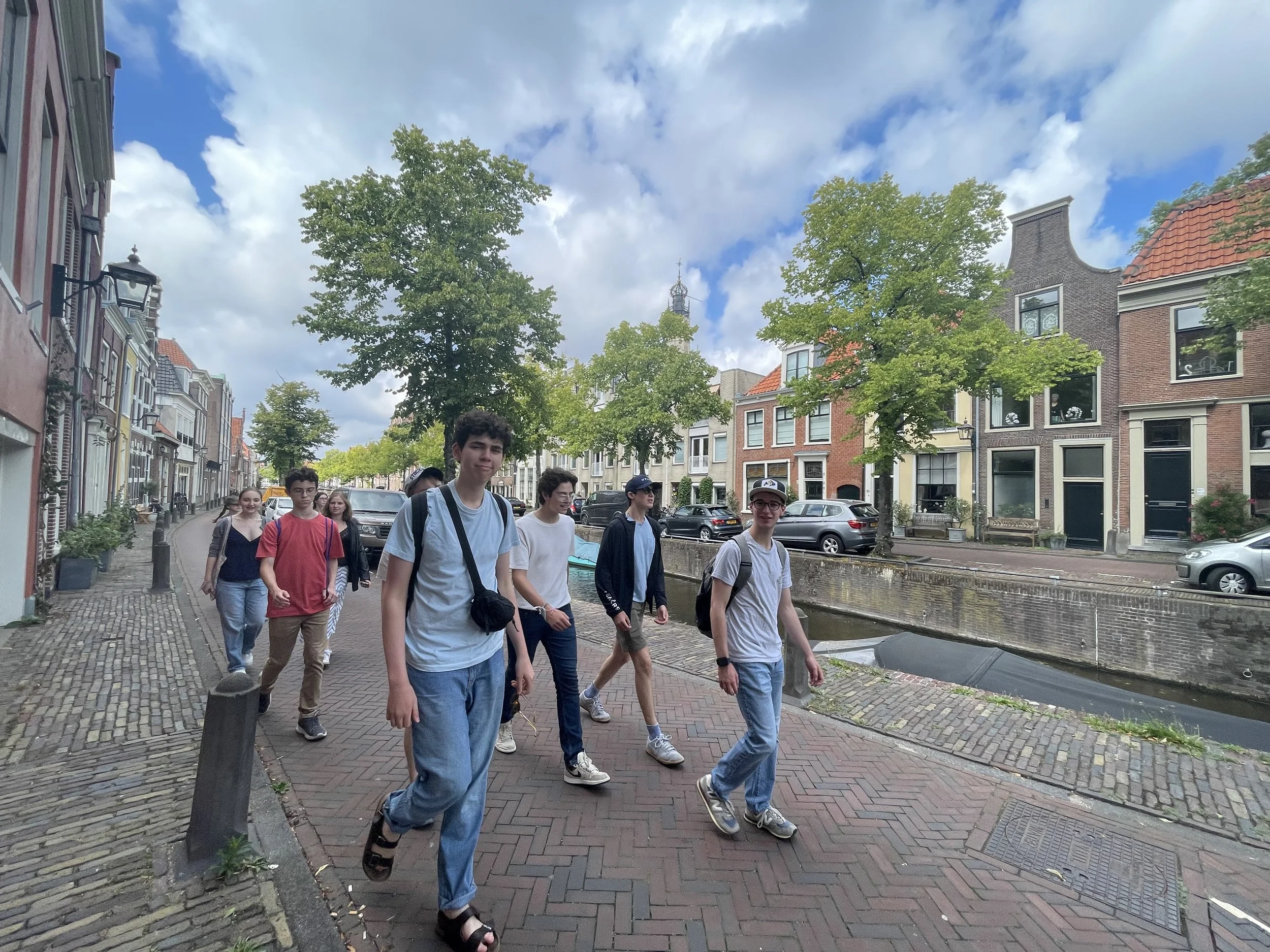
Walk the magical streets of Vermeer’s Delft
Relax among the plants in Holland’s oldest botanical garden
Meet with curators, scholars, and Jewish leaders
Why Spinoza?
In seventeenth-century Holland, Spinoza challenged inherited understandings of religion, politics, and human freedom. Studying the world in which his ideas emerged offers students a way to confront questions that remain urgent today: What does it mean to be Jewish in the modern world? How should we live with the freedoms and uncertainties modernity brings?
Meet the Instructors

-
Aaron Tugendhaft founded The Abarbanel Institute in 2024. He is currently the Robert Aird Chair of Humanities at Deep Springs College and has taught at the University of Chicago, New York University, and the University of Texas at Austin. A historian of religion and political thought, he previously served as History Department Chair and Director of Interdisciplinary Programs at The Ramaz School, where he received the Abraham Pilchik Award for Teaching and Mentorship. He regularly teaches Jewish teens through Tikvah and adults in the University of Chicago’s Basic Program. He is the author of Baal and the Politics of Poetry (2018) and The Idols of ISIS: From Assyria to the Internet (2020), and has written on education for The Chronicle of Higher Education and The Jewish Review of Books. His next book will be about the Jewish Question.

-
Dr. David Sclar is a historian and educator based in Teaneck, NJ. He is an Assistant Professor of Jewish history at Yeshiva University and also teaches at The Frisch School, and has held research fellowships at Harvard, Princeton, and Oxford. He worked for several years in the Special Collections at the Library of the Jewish Theological Seminary, where he catalogued rare material and co-curated exhibitions. He writes about early modern Jewish history, and has published on the lives of Sephardic Jews in the Dutch Republic.
-
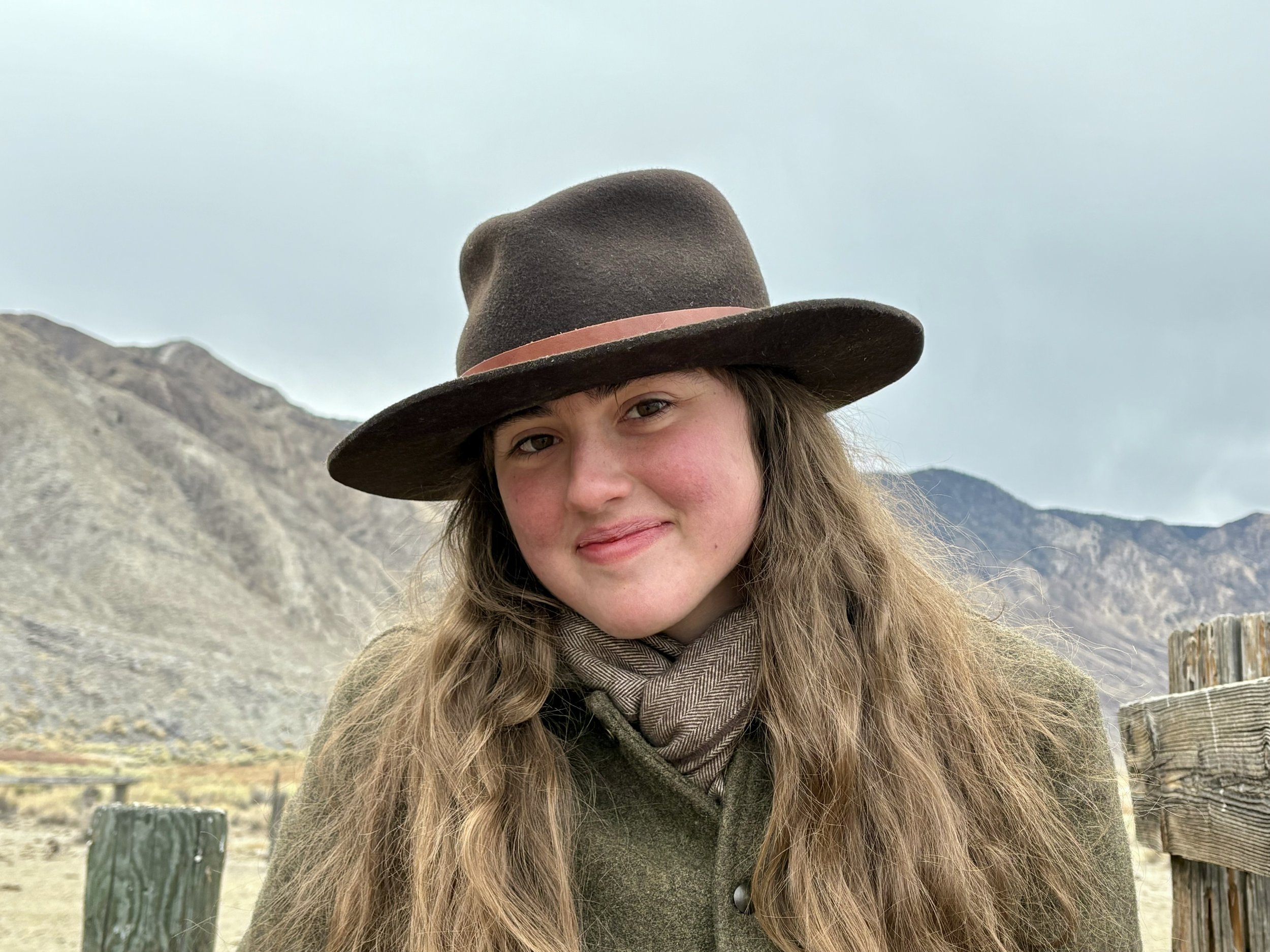
Ruby LaRocca, returning to Abarbanel in 2027 as Director of Student Activities, is a graduate of Deep Springs College and a Classics major at Williams College. In addition to her broad interests in literature and philosophy, Ruby has experience as a gardener, chef, and assistant mechanic. In 2023, Ruby’s essay “A Constitution for Teenage Happiness” won The Free Press high school essay contest. You can follow her weekly column “Stumblings” on Substack.
-
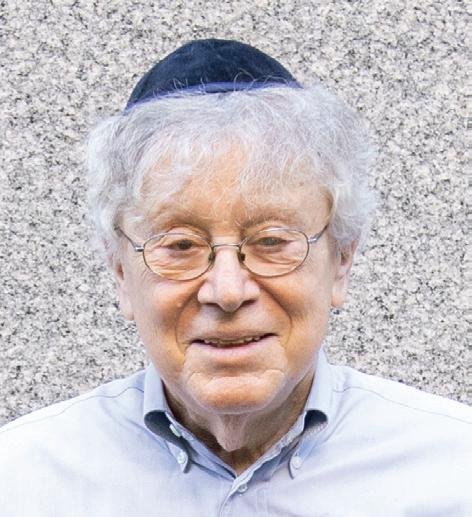
Dr. Jon Jucovy served as History Department Chair at the Ramaz Upper School for over forty years and now teaches at North Shore Hebrew Academy in his home town of Great Neck, NY. A beloved teacher, Dr. Jucovy has spent an illustrious career inspiring countless young people to think deeply and critically about history and the world around them.
-
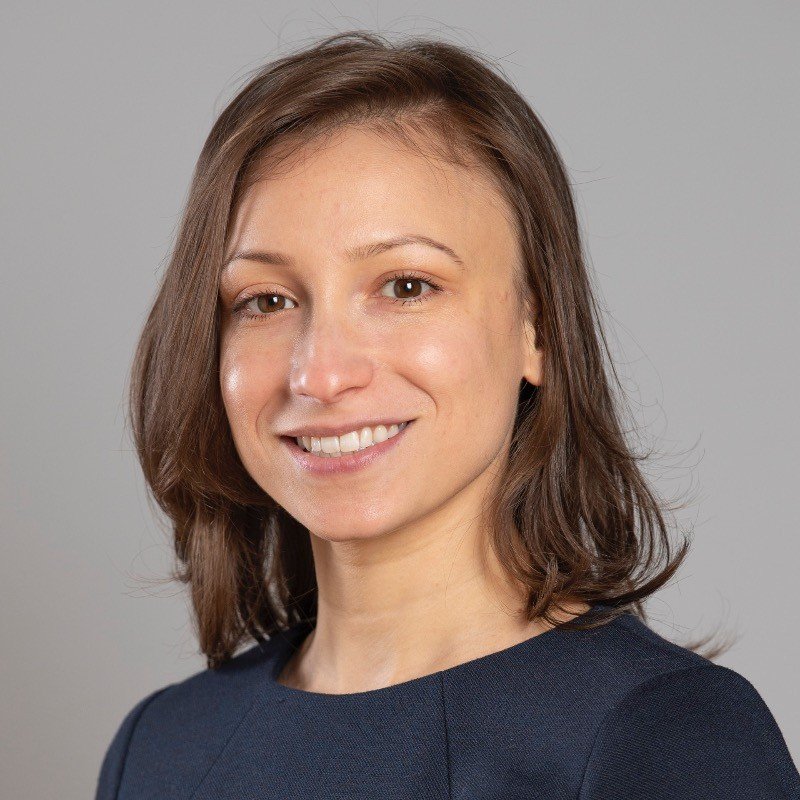
Michelle Palatnik is a New York-based painter and educator returning as the Summer Seminar’s artist-in-residence. In Leiden in 2025, she led drawing and painting sessions that connected students’ own work with close study of Dutch art and the places they visited. She brings the perspective of a practicing artist to the seminar’s exploration of how images are made, what they reveal, and how history shapes what we see. Michelle holds an MFA from the New York Academy of Art and completed a residency at the Leipzig International Art Programme in 2026. She studied at New York University on a four-year scholarship and continued her training at the Art Students League and Grand Central Atelier.
-
![]()
“Leiden is the hidden gem of the Netherlands. A focal point of historical figures from Rembrandt to Spinoza to Descartes, it meshes fantastically with the program courses.“
-
![]()
“Leiden was the perfect place because we got to experience an authentic Dutch city without all the touristy attractions. It was also small enough for us to get to know it, as well as stay safe and comfortable.”
-
![]()
“I never studied philosophy before but it was the most interesting class I've ever taken. We spoke about topics I've pondered for years, topics I felt I already had a confident understanding of, and flipped them upside down in my mind.“
-
![]()
“A program for people who love questioning everything they have learnt.”
-
![]()
“The program allowed me to become independent in a way I had never been before.”
-
![]()
"I’m gonna remember this trip forever."

Application Process
Applications for the 2027 Summer Seminar are now open. Apply by December 30, 2026 to ensure full consideration.
To apply, fill out the application form and submit a writing sample, contact information for two references, and a high school transcript (if available). Early applications are appreciated.
Tuition
Tuition for the Abarbanel Summer Seminar on Judaism and the Challenge of Modernity includes double-occupancy housing, all transportation in Europe, all kosher meals, tickets to museums and cultural events, expert guides, bike rental, and athletic activities.
Chaperoned travel from New York City will be arranged for students who want to fly together as a group.
Tuition: $9,750 (excluding airfare)
Financial Aid
Substantial need-based financial aid is available, including awards covering a significant portion of tuition. Applying for financial aid does not disadvantage an applicant.
If you are in a position to help ensure that financial circumstances do not prevent outstanding students from participating in the Abarbanel Summer Seminar, please consider contributing to our Scholarship Fund.
Parent Testimonials
Join Founding Director Aaron Tugendhaft and program alumni for an online info session about the Abarbanel Summer Seminar on Monday, October 19 at 8pm ET.
Online Information Session for Parents




Frequently Asked Questions
-
The Abarbanel Summer Seminar brings together intellectually ambitious high school students for three weeks of serious study and cultural exploration in Leiden, Netherlands. Unlike programs organized around a particular religious denomination or political outlook, Abarbanel encourages students to examine fundamental questions without predetermined answers. Small, discussion-based seminars combine close reading of major texts with visits to museums, historic sites, and special collections.
Rather than traveling constantly from place to place, as on more conventional teen tours, students make Leiden their home for three weeks. This allows for greater intellectual focus while giving students the experience of living in a new city, developing familiar routines, and exploring their surroundings with a degree of independence.
-
The seminar is intended for intellectually curious high school students who enjoy reading, discussing ideas, and encountering unfamiliar perspectives. No prior knowledge of philosophy or the seminar's texts is required. We look for students who are eager to think seriously, willing to question their assumptions, and interested in learning from one another.
-
No. The Abarbanel Institute is non-denominational and politically independent. Students are encouraged to bring their own convictions to the seminar, to question them, and to engage seriously with perspectives different from their own. The aim is not to promote a particular religious or political position but to cultivate intellectual independence through sustained study and discussion.
-
No. Students from all backgrounds are welcome. The program accommodates traditional Jewish observance while remaining open to students with different religious practices and commitments.
Kosher meals will be available throughout the seminar. Students will occasionally have the option to eat out, in which case they will be responsible for their own decisions regarding kashrut.
Shabbat will be observed, with opportunities for group prayer at local synagogues on Friday evenings and Saturday mornings. There will be no organized daily minyan during the week.
Our aim is to create a community in which students can learn from one another, respect differences in religious practice, and explore Jewish life without being expected to arrive at the same conclusions.
-
Most weekday mornings are devoted to small, discussion-based seminars of no more than ten students. Students are expected to complete preparatory readings and participate actively in discussion. Time for reading and preparation is built into the daily schedule.
The emphasis is on careful reading, sustained inquiry, and intellectual exchange rather than lectures or examinations.
-
Yes. The Abarbanel Institute offers substantial need-based financial aid and is committed to ensuring that qualified students are not prevented from attending because of financial circumstances.
Admissions decisions are need-blind: requests for financial aid do not affect whether a student is admitted.
-
The seminar is based in Leiden, a historic university town a short train ride from Amsterdam. Staying in one place allows students to develop a daily routine and experience life in a European city.
Excursions to nearby cities and towns will complement the academic program, including a day trip to Antwerp. We will also spend two nights in Amsterdam during the second Shabbat.
-
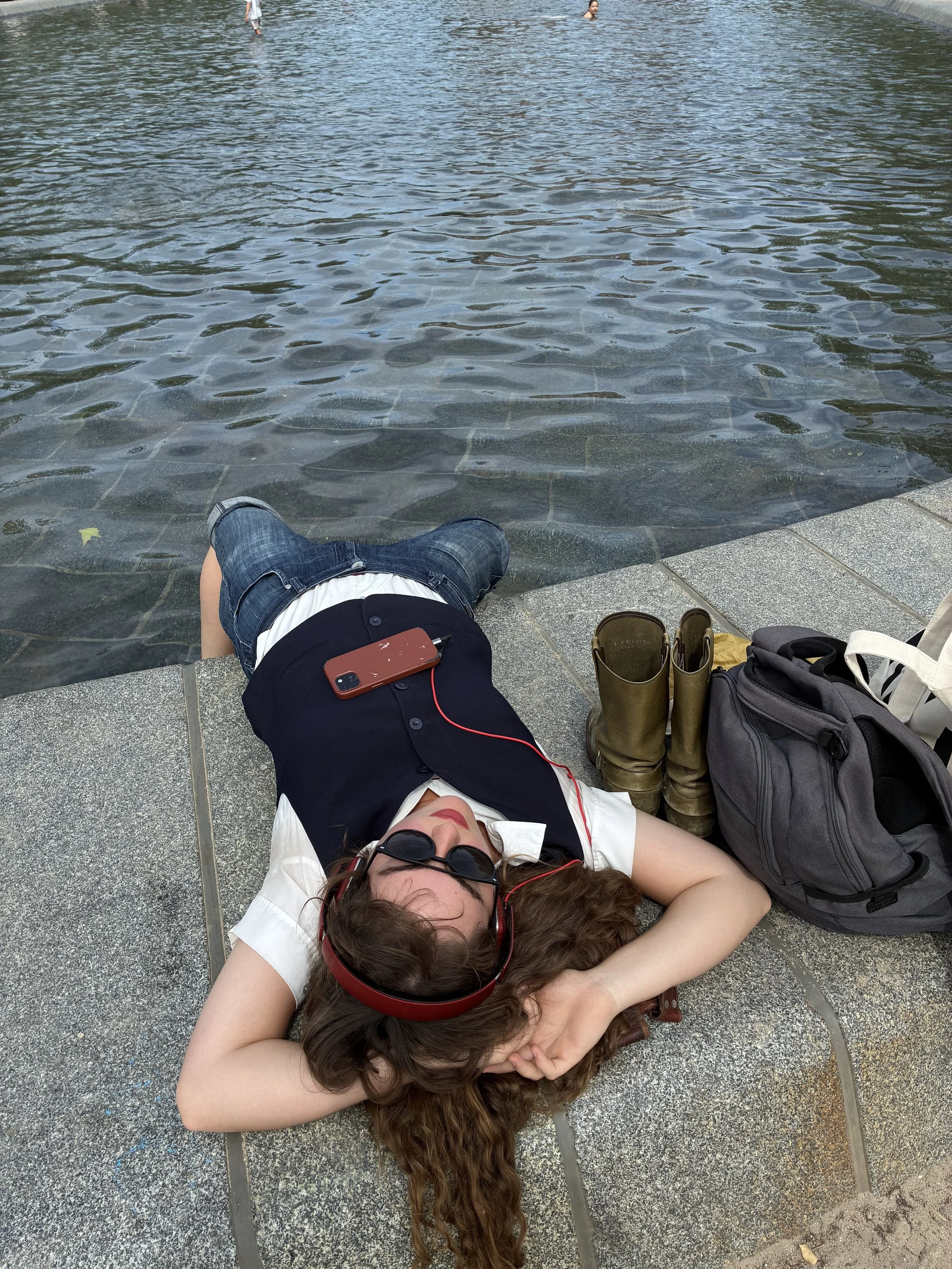
Yes. Although the schedule includes seminars, excursions, and other organized activities, students will also have ample time to explore Leiden and pursue their own interests. They might visit a café along a canal, browse Leiden's bookshops, explore local museums, or cycle through the surrounding countryside. All students will receive a Dutch Museum Card providing access to participating museums, as well as access to the Leiden University Athletic Center, where they can work out or exercise. Some afternoons and evenings will be free for students to enjoy the city on their own terms.
-
The Abarbanel Summer Seminar does not currently offer college credit.
-
Security arrangements will be coordinated in consultation with BLEW, an advisory body concerned with the protection of the Jewish community in the Netherlands, as well as Jewish community leaders in Amsterdam and The Hague.
-
Confident bicycle riding is strongly encouraged but not required. Bicycles are one of the easiest ways to get around Leiden, and the program will include opportunities to explore the surrounding countryside by bike.
Students who cannot ride may be unable to participate in certain activities. If possible, we recommend learning before the seminar begins.